Understanding the Crypto-Pitch: Your First Steps to Football Betting with Digital Assets
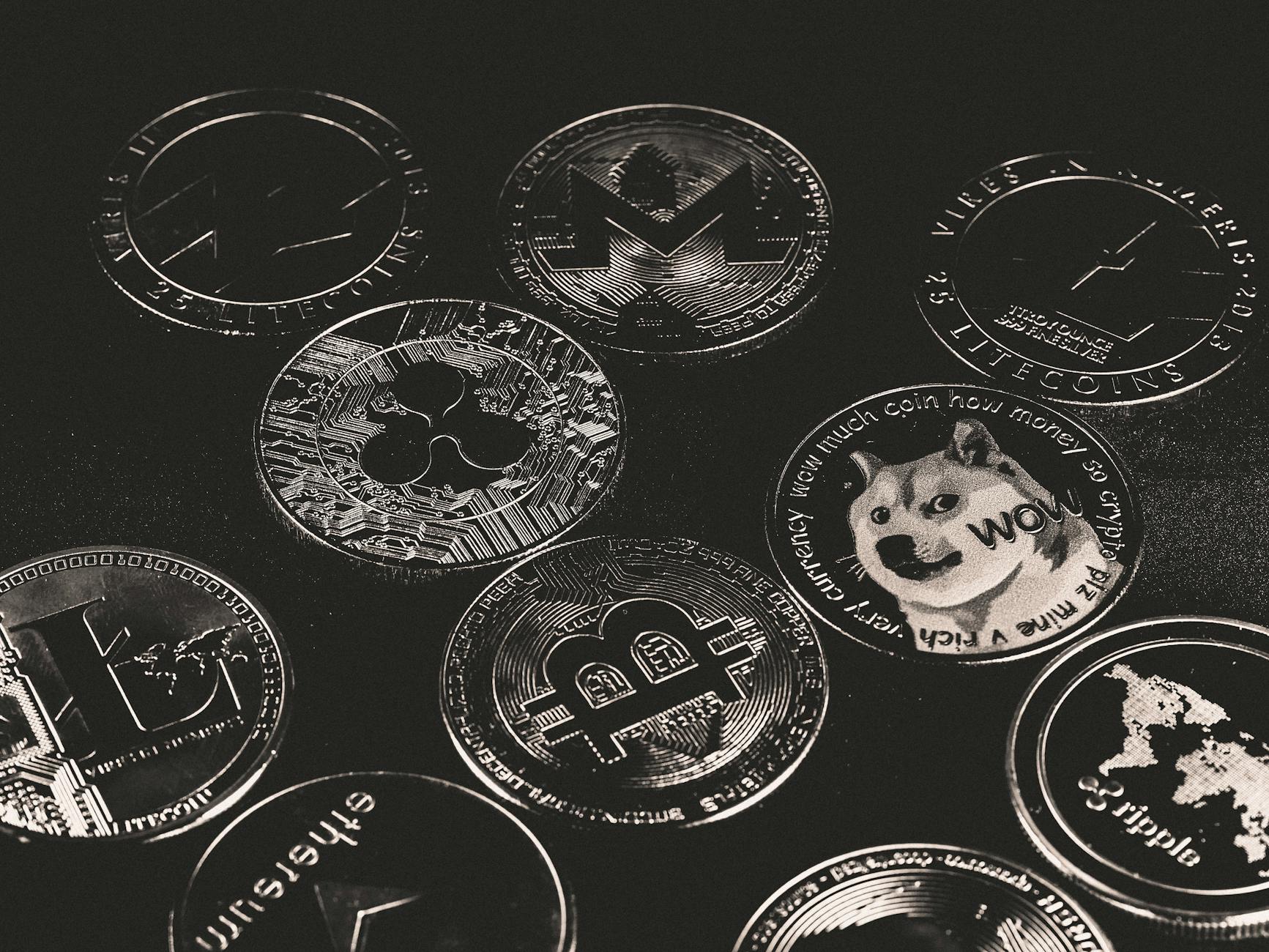
Venturing into football betting with cryptocurrency can initially feel like navigating a complex maze of jargon and unfamiliar concepts. However, understanding the core 'crypto-pitch' is simpler than you might think. It essentially involves using digital assets like Bitcoin or Ethereum instead of traditional fiat currency (USD, EUR) to place your wagers on football matches. This brings a host of potential benefits, including enhanced privacy due to the pseudonymous nature of transactions, potentially faster payouts, and access to a wider range of international betting platforms that might not support your local currency. Your first steps should focus on establishing a secure foundation: choosing a reputable cryptocurrency exchange to acquire your digital assets and then selecting a licensed and regulated crypto-friendly sports betting site that offers the football leagues and markets you're interested in.
Once you've grasped the basics of acquiring and transferring cryptocurrency, the next crucial step is familiarizing yourself with the specific mechanics of crypto betting platforms. While the underlying principles of odds, bet types (e.g., 1X2, over/under), and payout calculations remain largely the same as traditional betting, the transactional layer is different. You'll deposit crypto, place bets in crypto, and receive winnings in crypto. It's vital to:
- Understand transaction fees associated with different cryptocurrencies.
- Be aware of potential price volatility of your chosen digital asset, which can impact the real-world value of your winnings.
- Always double-check wallet addresses when depositing or withdrawing to prevent irreversible loss of funds.
As the 2026 World Cup approaches, the intersection of sports betting and cryptocurrency is set to reach new heights, offering fans unprecedented ways to engage with the tournament. The convenience and anonymity of crypto transactions, combined with the global appeal of football, will likely fuel a surge in world cup 2026 crypto betting, providing a decentralized and potentially more lucrative alternative to traditional bookmakers. This evolving landscape promises an exciting new dimension to the World Cup experience for those looking to leverage digital assets for their wagers.
Beyond the Coin: Practical Strategies & FAQs for Your Crypto Football Bets
Navigating the world of crypto football betting goes beyond simply picking a winner and placing a wager. To truly maximize your potential and minimize risks, it's crucial to adopt practical strategies. Firstly, always conduct thorough research into both teams and the specific cryptocurrency you're using. Understand market volatility and how it might impact your potential winnings or losses. Consider diversifying your bets across different matches and even different cryptocurrencies to spread risk. Furthermore, implement a strict bankroll management system. Decide on a budget and stick to it, never chasing losses. Utilize tools like odds comparison sites and consider arbitrage opportunities if you have the expertise. Finally, be aware of the regulatory landscape for crypto betting in your region, as this can widely vary and impact your ability to withdraw funds.
When delving into crypto football betting, several Frequently Asked Questions (FAQs) often arise. A common one is, “Which cryptocurrencies are best for betting?” While Bitcoin and Ethereum are widely accepted, newer, faster, and cheaper transaction-fee coins like Litecoin or even some stablecoins might be more suitable for frequent betting. Another key question is, “How can I ensure my funds are secure?” Always use reputable, licensed platforms with strong security protocols like two-factor authentication (2FA) and cold storage for user funds. Be wary of unsolicited offers or platforms promising unrealistic returns. Finally, many wonder, “What about taxes on winnings?” This is a critical area often overlooked. Cryptocurrency gains, including those from betting, are generally taxable in most jurisdictions. It's highly recommended to consult with a tax professional to understand your obligations and ensure compliance, avoiding potential legal issues down the line.